Adding space to your home is a significant undertaking, and when it comes to home addition planning in Nassau County, New York, preparation is key. Whether you’re a homeowner looking to expand your living space, a real estate investor aiming to increase property value, or a commercial developer planning a larger project, understanding the local regulations, costs, and best practices is crucial for a successful build. This guide will walk you through the essential steps to ensure your home addition project in Nassau County goes smoothly, from initial planning to final inspection.
Nassau County’s unique blend of suburban charm and proximity to New York City presents both opportunities and challenges for home additions. Strict building codes and varying property sizes mean that careful planning is even more important. Dive into the key considerations, explore the typical costs involved, and learn how to navigate the permit process so you can bring your
vision to life. By the end of this guide, you’ll be well-equipped to embark on your home addition project with confidence and knowledge.
Navigating Home Addition Planning in Nassau County: Essential Steps
Successfully completing a home addition in Nassau County requires a well-structured plan. Here are some critical steps to consider:
Define Your Needs and Goals: Begin by clearly outlining what you want to achieve with your home addition. Is it a larger kitchen, an extra bedroom, a home office, or something else? Defining your needs will guide the design process and help you stay within budget.
Consult with Professionals: Before getting too far along, consult with architects, engineers, and experienced contractors specializing in home addition planning in Nassau County. They can assess your property, provide valuable insights on feasibility, and help you develop a realistic design plan.
Develop a Detailed Design and Budget: Based on your needs and professional advice, create a detailed design and budget. This should include architectural plans, material specifications, and labor costs. Be sure to factor in a contingency fund for unexpected expenses.
Secure Necessary Permits: Obtain all required permits from Nassau County’s building department. This involves submitting your design plans and meeting all code requirements. It’s often beneficial to have your contractor or architect handle this process for you.
Choose a Qualified Contractor: Select a licensed and insured contractor with a proven track record of successful home additions in Nassau County. Check references, review their portfolio, and ensure they have a clear understanding of your project goals.
Key Considerations for Nassau County Home Additions
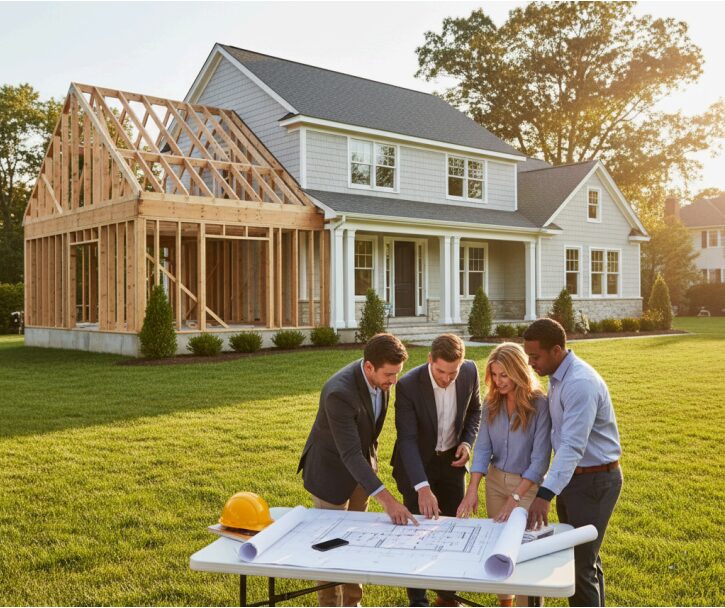
Beyond the basic steps, consider these specific factors when planning your home addition in Nassau County:
Zoning Regulations: Understand the zoning regulations that apply to your property. These regulations dictate setbacks, height restrictions, and other limitations on building size and location.
Environmental Considerations: Be aware of any environmental factors that may impact your project, such as wetlands, protected areas, or historic preservation restrictions.
Neighboring Properties: Consider the impact of your home addition on neighboring properties. Communication and consideration for your neighbors can help avoid potential disputes.
Property Value Impact: Think about the long-term impact of your home addition on your property value. A well-designed and executed addition can significantly increase your home’s worth.
Tips for Staying on Budget
Home additions can be costly, but careful planning can help you stay within budget:
Prioritize Needs vs. Wants: Differentiate between essential features and desirable upgrades. Focusing on your core needs can help reduce costs.
Shop Around for Materials: Compare prices from different suppliers to find the best deals on materials.
Consider Phased Construction: If your budget is limited, consider completing the addition in phases to spread out the costs.
Regularly Review Expenses: Closely monitor your expenses throughout the project and make adjustments as needed to stay on track.
Maintaining a Positive Relationship with Your Contractor
Establishing and maintaining a positive relationship with your contractor is essential for a smooth project.
Communicate Clearly: Clearly communicate your expectations, concerns, and questions to your contractor.
Set Regular Meetings: Schedule regular meetings to discuss progress, address any issues, and make necessary adjustments.
Be Respectful and Professional: Treat your contractor and their team with respect and professionalism.
Document Everything: Keep detailed records of all communications, decisions, and payments.
Maintaining a Positive Relationship with Your Contractor
Establishing and maintaining a positive relationship with your contractor is essential for a smooth project.
Communicate Clearly: Clearly communicate your expectations, concerns, and questions to your contractor.
Set Regular Meetings: Schedule regular meetings to discuss progress, address any issues, and make necessary adjustments.
Be Respectful and Professional: Treat your contractor and their team with respect and professionalism.
Document Everything: Keep detailed records of all communications, decisions, and payments.
Common Issues and How to Avoid Them
Many home addition projects run into issues. Here are some frequent problems and how to prevent them:
Budget Overruns: Poor planning and unforeseen costs can lead to budget overruns. Prevent this by creating a detailed budget with a contingency fund.
Permit Delays: Delays in obtaining permits can push back your project timeline. Work with an experienced professional who understands the permitting process.
Contractor Disputes: Disagreements with your contractor can cause frustration and delays. Choose a reputable contractor, establish clear communication, and document everything.
Code Violations: Failure to comply with building codes can result in fines and rework. Ensure your contractor is knowledgeable about local codes and adheres to them strictly.
Considerations for Real Estate Investors and Commercial Developers
For real estate investors and commercial developers, home additions offer unique opportunities. Consider these points:
Return on Investment (ROI): Carefully analyze the potential ROI of your home addition project. Focus on additions that will increase property value and generate rental income.
Market Demand: Assess the market demand for the type of home addition you are planning. Target additions that are popular with renters or buyers in the area.
Commercial Zoning: For commercial properties, ensure your home addition complies with all commercial zoning regulations.
Integrating a Home Addition with Existing Structure
Blending a home addition with your existing home structure is key to aesthetics and value.
Consult a Designer: Always consult a professional designer to achieve the seamless design integration you want.
Match Architecture: Use similar materials as the original structure.
Maximizing Light
Maximize natural light penetration to reduce energy costs and improve quality
of life.
Incorporate Windows: Ensure ample windows and skylights in your design. Consider Doors: French doors and other doors with glass panels are good choices to bring in natural light.
Energy Efficiency
Incorporate elements to improve energy efficiency.
Insulation: Choose the most effective insulation for optimal energy savings.
Energy Efficient Windows: Choose energy-efficient glass for the windows.
Landscaping
Proper landscaping will elevate your curb appeal after the project is complete. Plants: Add plants to soften lines and increase visual appeal.
Plan: Come up with a landscaping plan before breaking ground to save time and money.
Maintenance
Carefully consider the cost of long-term maintenance.
Choose Durable Materials: Opt for highly durable construction materials.
Schedule Maintenance: Schedule preventative maintenance to save money.
What are the Nassau County building codes for home additions?
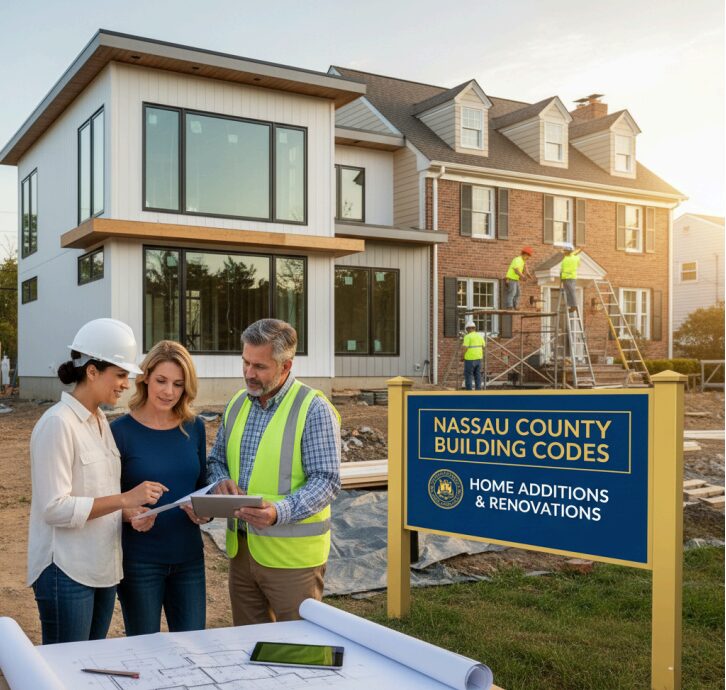
Nassau County building codes are based on the New York State Uniform Fire Prevention and Building Code, with local amendments. These codes cover everything from structural integrity and fire safety to energy efficiency and accessibility. It’s crucial to consult the Nassau County Department of Public Works and your chosen professionals to ensure your addition complies with all applicable codes. Specifically, pay attention to regulations regarding setbacks, lot coverage, height restrictions, and the types of materials allowed.
What permits do I need for a home addition in Nassau County, NY?
You’ll typically need a building permit from the Nassau County Department of Public Works for any significant home addition project. Depending on the scope of your project, you may also need permits for electrical work, plumbing, HVAC systems, and potentially zoning variances if your addition doesn’t meet current zoning regulations. It’s best to consult with your contractor or architect to determine all the necessary permits and navigate the application process.
Who are the best-reviewed home addition contractors in Nassau County?

Identifying the “best” contractor is subjective and depends on your specific needs and priorities. However, you can find highly-rated and reputable contractors by checking online review platforms like Angie’s List, Houzz, and the Better Business Bureau. Look for contractors with a proven track record of successful home additions, positive client reviews, proper licensing and insurance, and a commitment to quality workmanship. Always get multiple quotes and check references before making a final decision.
Ready to Expand Your Home?
Home addition planning in Nassau County may seem daunting, but with careful preparation and the right team, you can create the space you’ve always dreamed of. Remember to prioritize thorough planning, secure the necessary permits, and choose a qualified contractor you can trust. Take the first step towards your dream home today. Contact us today to discuss your home addition project and get a free consultation!