Nassau County, New York, is steeped in history, boasting a rich tapestry of architectural styles that reflect its evolution through the centuries. From stately mansions of the Gilded Age to charming colonial homes, these buildings tell stories of the past, shaping the character and identity of our communities. Architectural heritage conservation in Nassau County is not just about preserving old buildings; it’s about safeguarding our cultural legacy for future generations. For homeowners and real estate investors, understanding the nuances of historic preservation can unlock unique opportunities and responsibilities.
Preserving our architectural heritage is crucial for maintaining the historical integrity of Nassau County. These buildings provide tangible links to our past, offering insights into the lives, customs, and values of those who came before us. Furthermore, historic buildings often contribute significantly to the aesthetic appeal and economic vitality of their neighborhoods. Architectural heritage conservation in Nassau County enhances property values, attracts tourism, and fosters a sense of community pride. This guide aims to provide valuable information for homeowners and real estate investors looking to navigate the world of historic preservation in Nassau County.
The Importance of Architectural Heritage Conservation
Architectural heritage conservation is more than just maintaining old buildings; it’s about preserving the stories they tell. These structures represent significant periods in history, architectural styles, and cultural influences. By protecting them, we ensure that future generations can connect with their past and understand the forces that shaped their communities. Moreover, historic buildings often serve as catalysts for economic development, attracting tourism, boosting property values, and revitalizing neighborhoods. Protecting architectural heritage conservation in Nassau County ensures a more sustainable and culturally rich future.
Key Considerations for Homeowners and Investors

For homeowners and real estate investors in Nassau County, understanding the regulations and opportunities surrounding historic properties is essential. Owning a historically designated property comes with both responsibilities and rewards. It’s crucial to be aware of the guidelines for renovations, alterations, and maintenance to ensure compliance with preservation standards. However, historic properties can also offer unique tax incentives, grant opportunities, and enhanced property values. This section explores the key considerations for navigating the world of architectural heritage conservation in Nassau County.
Navigating Preservation Regulations
Understanding the regulatory landscape is paramount for anyone considering investing in or owning a historic property. Nassau County, along with its local municipalities, has specific regulations in place to protect designated landmarks and historic districts. These regulations typically govern alterations, additions, demolitions, and even exterior paint colors. Working closely with local preservation boards and historical societies is essential to ensure compliance and to navigate the permitting process smoothly.
Benefits and Challenges
Owning a historic property in Nassau County presents both unique benefits and challenges. The benefits include potential tax incentives, grant opportunities, and the intrinsic value of owning a piece of history. However, challenges may include higher maintenance costs, restrictions on renovations, and the need for specialized expertise in restoration and preservation techniques. A thorough understanding of both the advantages and disadvantages is crucial for making informed decisions.
Resources for Preservation
Fortunately, there are numerous resources available to homeowners and real estate investors interested in architectural heritage conservation in Nassau County. Local historical societies, preservation organizations, and government agencies offer guidance, expertise, and financial assistance. These resources can help navigate the complexities of historic preservation, from identifying eligible properties to obtaining permits and securing funding for restoration projects.
What are the benefits of owning a historically designated property in Nassau County?
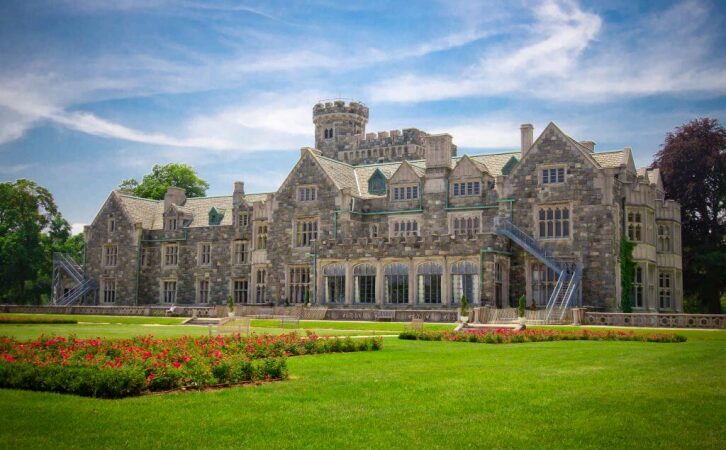
Owning a historically designated property in Nassau County can offer several benefits, including potential property tax reductions, eligibility for grants and low-interest loans for restoration, increased property value due to its historical significance, and the personal satisfaction of preserving a piece of history.
How do I get landmark status for my house in Nassau County, NY?
The process for obtaining landmark status typically involves submitting an application to your local municipality’s historic preservation commission or similar body. The application usually requires detailed information about the property’s history, architectural significance, and current condition. The commission will then review the application and may conduct a site visit before
making a recommendation. Public hearings are often part of the process.
Are there tax incentives for preserving architectural heritage in Nassau County?
Yes, there are often tax incentives available for preserving architectural heritage in Nassau County. These incentives may include property tax abatements, tax credits for qualified rehabilitation expenses, and easement donations. The specific incentives and eligibility requirements vary depending on the municipality and the nature of the preservation work. Contact the Nassau County government and your local municipality for specific details and application procedures.
What restrictions are placed on renovations of historic homes in Nassau County?
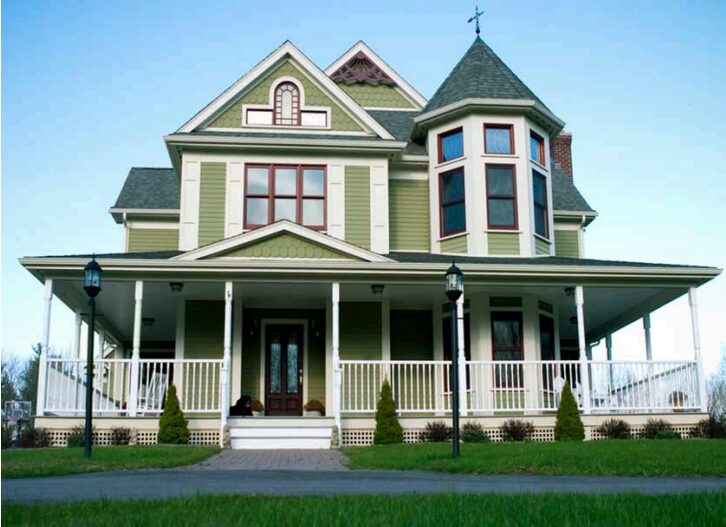
Renovations of historic homes in Nassau County are typically subject to strict guidelines designed to preserve the building’s historical integrity. These restrictions may include limitations on exterior alterations, requirements to use historically appropriate materials and construction techniques, and prohibitions on demolishing or significantly altering original architectural features. Owners may need to obtain permits from local historic preservation commissions before undertaking any renovation work.
Preserving our architectural heritage in Nassau County is a responsibility we all share. By understanding the importance of architectural heritage conservation in Nassau County, homeowners and real estate investors can play a vital role in protecting these invaluable assets for future generations. Whether you’re considering purchasing a historic property, seeking landmark status for your
home, or simply interested in learning more about preservation, remember that your efforts contribute to the cultural richness and historical integrity of our communities. Contact Us Today Connect with your local historical society or preservation organization to explore opportunities for involvement and contribute to the preservation of Nassau County’s architectural heritage.