

Are you a Long Island homeowner tired of sky-high energy bills? Are you a real estate investor looking for the next big thing? Or perhaps you’re a commercial developer aiming to build sustainably and boost your bottom line? If so, understanding energy-efficient building design on Long Island is crucial. Long Island’s unique climate and high energy costs make energy efficiency a critical factor for comfort, affordability, and environmental responsibility.
This blog post will delve into the world of energy-efficient building design, specifically tailored to the Long Island context. We’ll explore the benefits for homeowners, the profit potential for investors, and the incentives available for commercial developers. We’ll also examine the latest trends shaping the future of sustainable construction on Long Island. Get ready to discover how you can save money, reduce your carbon footprint, and enhance the value of your property through smart, energy-conscious design.
The Importance of Energy Efficiency on Long Island
Long Island faces specific challenges when it comes to energy consumption. From sweltering summers requiring heavy air conditioning to chilly winters demanding reliable heating, our homes and businesses are constantly battling the elements. Traditional building methods often fall short, leading to significant energy waste and higher utility bills. Energy-efficient building design on Long Island addresses these challenges head-on by incorporating strategies that minimize energy consumption while maximizing comfort and performance.
But it’s not just about saving money. Embracing energy efficiency also plays a vital role in protecting Long Island’s beautiful environment. By reducing our reliance on fossil fuels, we can lower greenhouse gas emissions, improve air quality, and contribute to a more sustainable future for generations to come.
Key Elements of Energy-Efficient Building Design
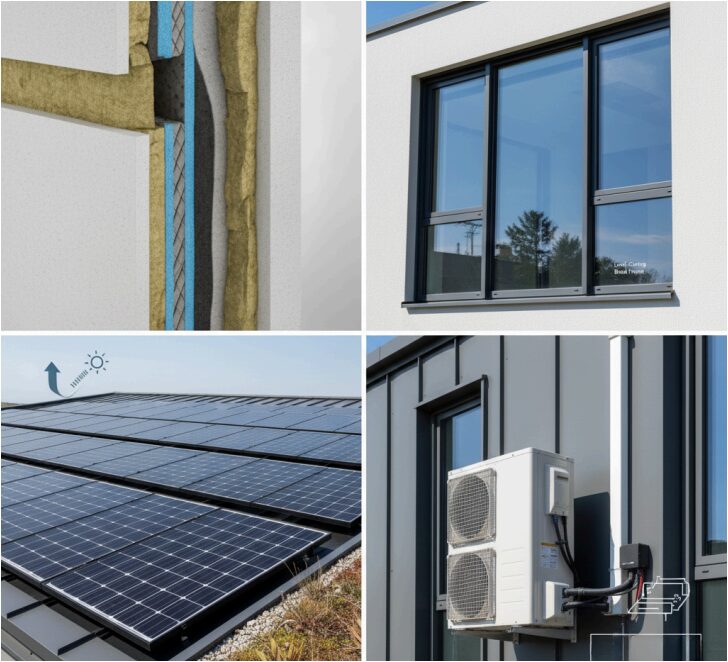
So, what exactly constitutes energy-efficient building design? It’s a holistic approach that considers every aspect of a building, from its orientation and insulation to its windows and HVAC systems. Here are some key elements:
Proper Insulation: Ensuring adequate insulation in walls, roofs, and floors is fundamental to preventing heat loss in the winter and heat gain in the summer.
High-Performance Windows and Doors: Energy-efficient windows and doors with low-E coatings and argon gas fill can significantly reduce heat transfer.
Efficient HVAC Systems: Choosing energy-efficient heating, ventilation, and air conditioning (HVAC) systems, such as heat pumps and geothermal systems, can dramatically lower energy consumption.
Air Sealing: Sealing air leaks and drafts is crucial for preventing energy loss and improving indoor air quality.
Renewable Energy Sources: Incorporating renewable energy sources, such as solar panels, can further reduce reliance on fossil fuels.
Smart Home Technology: Programmable thermostats and smart home systems can help optimize energy usage based on occupancy and weather conditions.
The Role of Orientation and Landscaping
Don’t underestimate the power of thoughtful site planning! Orienting your building to maximize sunlight in the winter and minimize it in the summer can significantly impact heating and cooling costs. Strategic landscaping, such as planting trees to shade your home during the hottest hours, can also contribute to energy savings.
Choosing the Right Materials
Selecting sustainable and energy-efficient building materials is another important consideration. Options like recycled content insulation, bamboo flooring, and energy-efficient roofing materials can further enhance the overall performance of your building.
What are the benefits of energy-efficient building design in Long Island for homeowners?
For Long Island homeowners, the benefits are substantial. Primarily, you’ll experience lower energy bills, saving you money each month. Improved indoor comfort is another significant advantage, as energy-efficient homes tend to be better insulated and maintain a more consistent temperature. Energy-efficient homes often have higher resale values due to their lower operating costs and appeal to environmentally conscious buyers. Finally, you’ll be contributing to a healthier environment by reducing your carbon footprint.
How can real estate investors profit from energy-efficient buildings on Long Island?
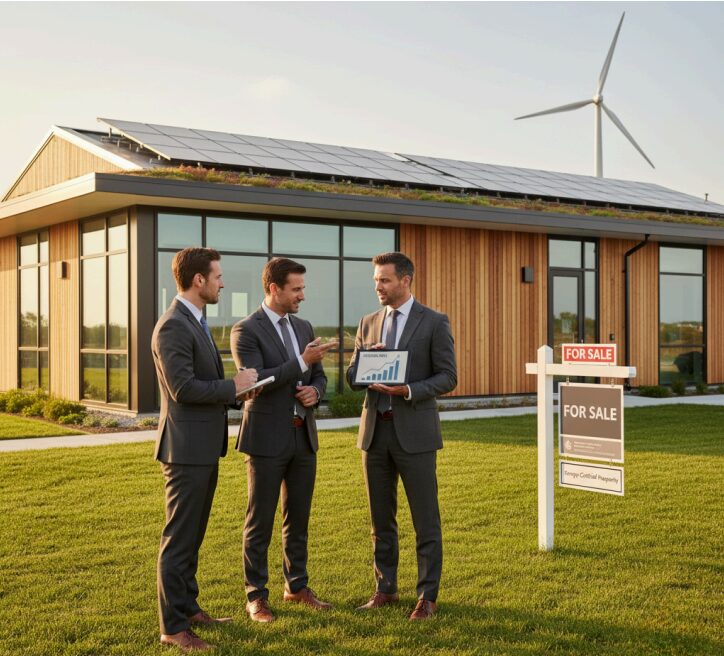
Real estate investors can capitalize on the growing demand for sustainable living. Energy-efficient buildings attract tenants willing to pay premium rents for lower utility bills and a healthier living environment. These buildings also require less maintenance due to durable, high-quality components. Moreover, they appeal to institutional investors focused on ESG (Environmental, Social,
and Governance) criteria. Offering energy-efficient properties provides a competitive advantage in the market, leading to higher occupancy rates and increased property values.
What energy-efficient building design incentives are available for commercial developers in New York?
New York State offers various incentives to encourage energy-efficient building design. These include tax credits, rebates, and grants for incorporating energy-efficient technologies and practices. Programs like NYSERDA (New York State Energy Research and Development Authority) provide financial assistance and technical support for energy-efficient projects. Utility companies also offer rebates for installing energy-efficient equipment. Developers should research these programs to maximize their financial returns on sustainable building projects.
What are the latest energy-efficient building design trends for Long Island homes?
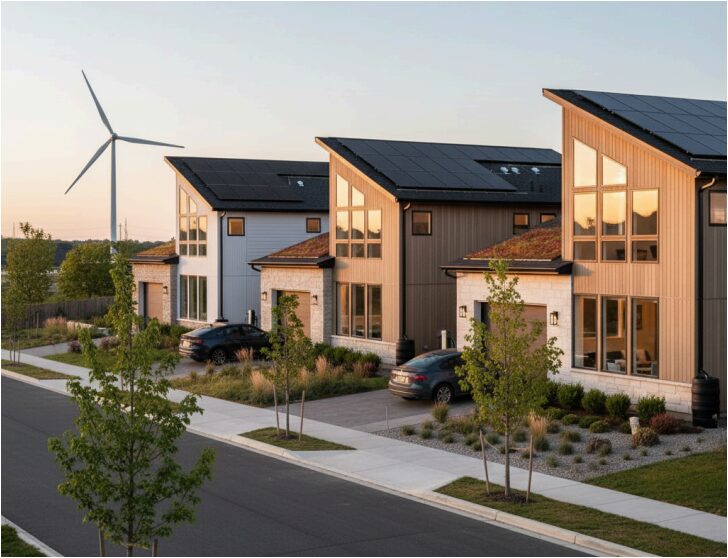
Several exciting trends are shaping the future of energy-efficient building design on Long Island. Passive House design, which focuses on minimizing energy consumption through super-insulation and airtight construction, is gaining popularity. Net-zero energy homes, which produce as much energy as they consume, are also becoming increasingly common. Smart home technology, which allows for automated control of lighting, heating, and cooling, is also a key trend. Finally, the use of sustainable and locally sourced building materials is on the rise, further reducing the environmental impact of construction.
Invest in a Sustainable Future
Energy-efficient building design on Long Island is not just a trend; it’s a smart investment that benefits homeowners, real estate investors, and commercial developers alike. By embracing energy-efficient practices, you can save money, enhance your property value, and contribute to a more sustainable future for Long Island. Are you ready to take the next step towards energy efficiency Contact us today to connect with our qualified energy consultants and builders. Start your journey toward a smarter, more sustainable future.


