Introduction
In today’s competitive retail landscape, innovative store design has become essential for
standing out and attracting customers, especially in a dynamic market like Long Island.
As consumer preferences evolve, retailers must go beyond traditional layouts and adopt
creative, engaging environments that enhance the shopping experience. From boutique
shops to large-scale retail outlets, businesses across Nassau and Suffolk Counties are
reimagining their spaces to reflect modern aesthetics, smart technology, and flexible
layouts. The shift isn’t just about style—it’s about strategy. Forward-thinking retail design
now plays a crucial role in customer engagement, brand identity, and sales performance.
As foot traffic becomes more valuable than ever, the look, feel, and functionality of a store
can make all the difference. In this blog, we’ll explore the latest trends shaping retail
spaces in Long Island, uncover why they’re working, and offer insights into how local
businesses can stay ahead of the curve in a rapidly changing marketplace.
II. The Shift in Consumer Expectations
Today’s consumers expect more than just a place to shop—they seek immersive,
memorable experiences that blend convenience, comfort, and brand storytelling. In Long
Island, this shift is especially noticeable as shoppers gravitate toward stores that offer
more than products: they want personalized service, engaging environments, and
seamless technology integration. Millennials and Gen Z, in particular, are driving these
changes, favoring stores that feel authentic, eco-conscious, and socially connected.
Retailers are responding by redesigning their spaces to be Instagram-worthy,
community-focused, and equipped with interactive features like smart mirrors, AR
displays, and mobile checkout stations. Even traditional retailers are adapting by creating
lounge areas, in-store events, and exclusive product experiences. As e-commerce
continues to grow, brick-and-mortar stores must go beyond transactional models to offer
real value. For Long Island retailers, understanding and meeting these new consumer
expectations isn’t just a trend—it’s a necessity for long-term success.
III. Current Trends in Retail Space Design
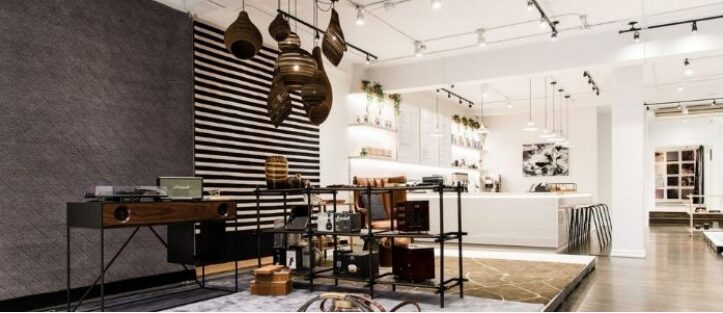 Retail spaces in Long Island are embracing innovative design trends to meet evolving
consumer expectations and enhance in-store experiences. Key trends shaping retail
design in 2024 include:
Textures and Patterns: Incorporating diverse textures and patterns adds visual
interest and depth to retail environments, creating engaging spaces that capture
customer attention. (7 In-Store Marketing and Retail Design Trends for 2024 |
Imagine)
Organic Shapes and Layers: Utilizing organic shapes and layered designs contributes
to a more inviting and dynamic store layout, encouraging exploration and prolonged
customer engagement. (Upcoming Design Trends in 2024 – NACS)
Flexible and Structural Elements: Implementing adaptable fixtures and modular
designs allows retailers to easily reconfigure spaces for different products or events,
enhancing versatility and responsiveness to market trends.
Integration of Technology: Incorporating digital elements like interactive displays
and smart lighting systems enhances the shopping experience, providing customers
with engaging and informative interactions. (7 In-Store Marketing and Retail Design
Trends for 2024 | Imagine)
By adopting these design trends, Long Island retailers can create compelling
environments that not only attract customers but also encourage them to spend more
time in-store, ultimately driving sales and fostering brand loyalty.
IV. Local Insights: What Works in Long Island
Retail design in Long Island demands a unique approach, shaped by its diverse
demographics, affluent suburbs, and a strong sense of community. Local shoppers value
both convenience and authenticity, making functionality and local character key
elements of successful store designs. Retail spaces that blend modern aesthetics with
community-inspired elements—such as locally sourced materials, art from Long Island
artists, or nods to regional heritage—tend to resonate deeply with consumers.
Foot traffic remains strong in walkable downtowns like Huntington, Garden City, and
Patchogue, where boutique retailers thrive by offering curated experiences rather than
generic layouts. In these areas, small-scale shops benefit from open layouts, inviting
window displays, and natural lighting. Additionally, sustainability plays a growing role in
Long Island’s retail preferences, with eco-conscious design choices, like energy-efficient
lighting and reclaimed materials, earning customer appreciation.
Ultimately, what works in Long Island is design that balances innovation with a strong
connection to local culture and values.
V. The Role of Technology in Retail Design
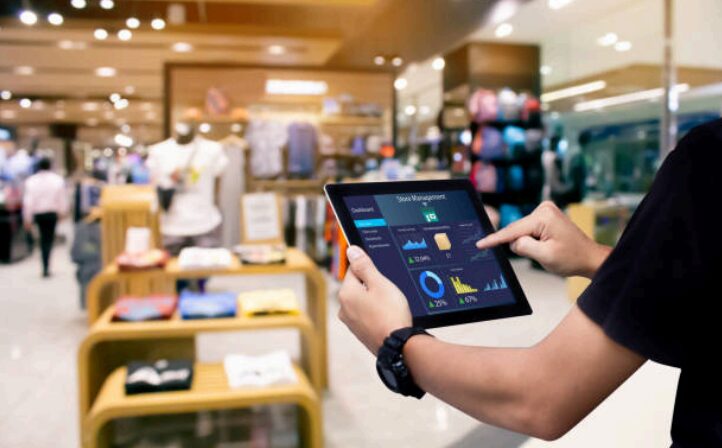 Technology is revolutionizing retail space design across Long Island, helping businesses
create immersive, efficient, and engaging environments. Smart technology—from
interactive displays to augmented reality (AR) tools—allows retailers to elevate customer
experience while gathering valuable insights into shopper behavior. For example, digital
mirrors in fitting rooms can suggest complementary items, enhancing upselling
opportunities and personalization.
Point-of-sale (POS) systems have become sleeker and more mobile, freeing up space and
enabling more fluid store layouts. Meanwhile, sensors and analytics software help track
foot traffic and optimize product placement. Lighting and climate control systems
integrated with smart tech improve energy efficiency, a growing priority among Long
Island retailers aiming to cut costs and reduce their environmental footprint.
Additionally, virtual reality (VR) is being tested in some local stores to let customers
preview products in simulated environments. Overall, technology in retail design not only
drives customer satisfaction but also contributes to operational effectiveness.
VI. Designing for Flexibility and Scalability
In today’s fast-paced retail landscape, flexibility and scalability are essential components
of smart retail design—especially for businesses in Long Island navigating evolving
consumer behaviors and market trends. Flexible retail spaces allow for quick adjustments
to product displays, seasonal promotions, and changing customer needs without
extensive renovations. This adaptability is often achieved through modular shelving,
movable walls, and multifunctional furniture, which make it easier for store layouts to be
reconfigured as needed.
Scalability is equally important for growing businesses. A well-designed retail space
should accommodate expansion, whether it’s increasing inventory, adding services, or
scaling up for a franchise model. Designing with future growth in mind ensures that
businesses avoid costly redesigns later on.
Long Island retailers, particularly in dynamic commercial areas like Garden City and
Huntington, are increasingly investing in flexible, scalable layouts to stay competitive,
support omnichannel strategies, and ensure their spaces remain relevant as trends
evolve.
VII. Collaboration Between Designers and Retailers
 Collaboration between designers and retailers is crucial for creating retail spaces that
resonate with customers while meeting business objectives. In Long Island, successful
retail designs are often the result of close partnerships between retail owners and design
teams, ensuring the space aligns with both the brand identity and customer experience
goals.
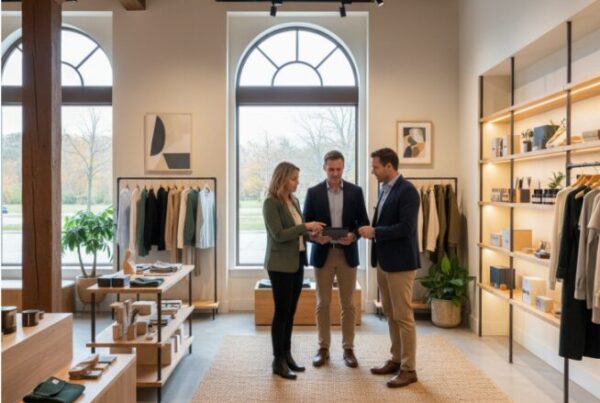
Retailers provide insights into their target audience, brand values, and operational needs,
while designers bring their expertise in spatial planning, aesthetics, and innovative
solutions. This synergy helps develop a cohesive design that enhances the shopping
experience, increases brand recognition, and drives sales.
For example, incorporating the right lighting, layout, and signage can elevate a store’s
atmosphere, making it more inviting and memorable. Long Island retailers are
increasingly recognizing the importance of involving designers early in the process to
create spaces that are not only functional but also emotionally engaging for shoppers.
This collaborative approach ensures long-term success and customer loyalty.
Conclusion
Innovative retail space design is a key driver for success in Long Island’s competitive
marketplace. As consumer expectations evolve, businesses are shifting towards creating
engaging, flexible, and scalable spaces that resonate with modern shoppers. Trends like
experiential design, the integration of technology, and sustainable practices are
transforming how retailers approach their physical spaces, ensuring they stay relevant
and appealing.
Collaboration between designers and retailers plays an essential role in achieving these
goals, allowing for customized solutions that reflect the brand and customer needs. As
Long Island continues to thrive as a retail hub, businesses that invest in cutting-edge
design strategies will not only attract more foot traffic but also build lasting customer
loyalty.
For businesses looking to future-proof their retail space, adopting the latest design trends
while embracing flexibility and scalability will be the key to long-term success in an ever-
changing retail landscape.