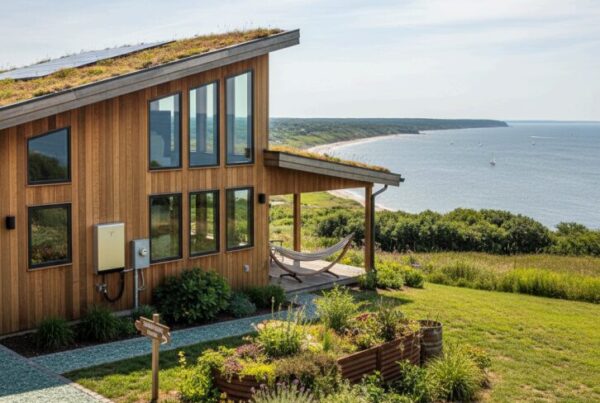
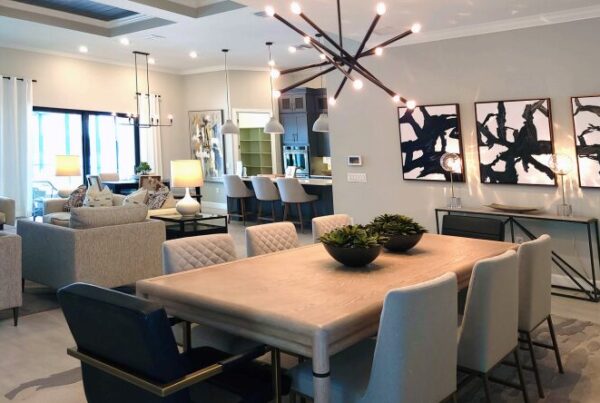
Are you a homeowner, commercial real estate developer, or simply looking to build a new home in Suffolk County? If so, understanding sustainable building design in Suffolk County is crucial for both the environment and your wallet. Building a sustainable home isn’t just a trend; it’s a responsible and forward-thinking approach that can significantly reduce your environmental footprint and increase the long-term value of your property.
Suffolk County, with its beautiful coastline and diverse ecosystems, benefits greatly from environmentally conscious building practices. This guide is designed to provide you with the essential information you need to navigate the world of sustainable building, from understanding incentives and costs to finding qualified contractors and realizing the numerous benefits of eco-friendly construction. Whether you’re planning a new build or a renovation, embracing sustainable design will create a healthier, more energy-efficient, and valuable property.
Let’s explore the key elements of sustainable building design in Suffolk County and discover how you can contribute to a greener future while enjoying a more comfortable and cost-effective home. From passive solar design to efficient water management, we’ll cover the essential aspects to consider for your project.
Key Principles of Sustainable Building Design

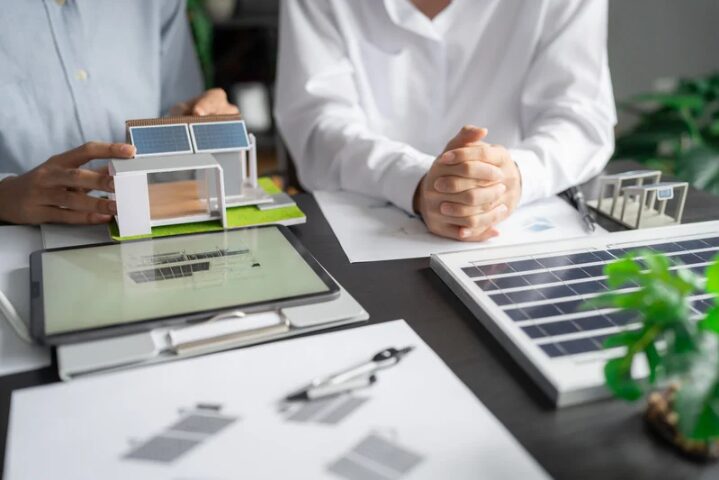
Sustainable building design encompasses a holistic approach that minimises environmental impact throughout the entire lifecycle of a building, from material sourcing to construction, operation, and eventual deconstruction. Here are some key principles to consider:
Energy Efficiency: This involves utilising energy-efficient appliances, insulation, windows, and lighting to reduce energy consumption. Passive solar design, which leverages the sun’s energy for heating and cooling, is also a critical component.
Water Conservation: Implementing water-efficient fixtures, such as low-flow toilets and showerheads, and rainwater harvesting systems can significantly reduce water usage.
Material Selection: Choosing sustainable and locally sourced materials with low embodied energy (the energy required to extract, process, and transport materials) is crucial. Consider using recycled materials, reclaimed wood, and materials certified by organisations like the Forest Stewardship Council (FSC).
Indoor Environmental Quality: Prioritising good indoor air quality through proper ventilation, the use of non-toxic building materials, and radon mitigation can create a healthier living environment.
Site Design: Considering the site’s natural features and minimising disruption to the surrounding ecosystem is essential. Proper drainage, erosion control, and preserving existing vegetation are important aspects of sustainable site design.
Implementing Sustainable Design in Your Suffolk County Project

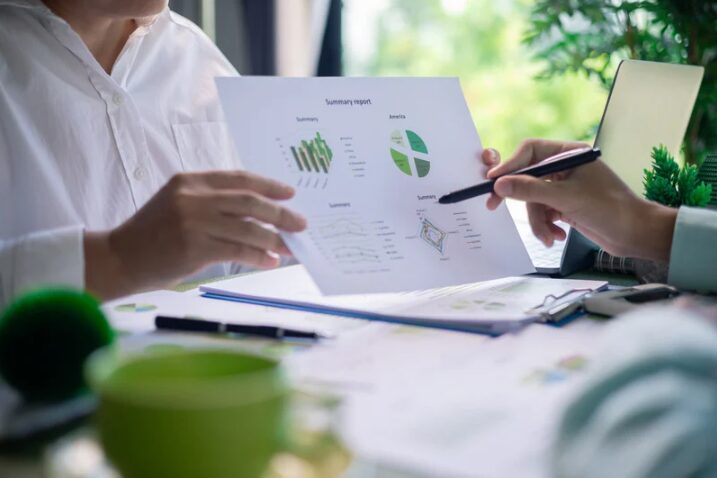
To successfully integrate sustainable building design in Suffolk County into your project, consider these steps:
1. Set Clear Goals: Define your sustainability goals upfront. What are you hoping to achieve in terms of energy efficiency, water conservation, and material usage?
2. Engage a Sustainable Design Professional: Consult with an architect, builder, or consultant specialising in sustainable building practices. Their expertise will be invaluable in guiding your project and ensuring it meets your sustainability goals.
3. Explore Available Incentives: Research available tax credits, rebates, and other incentives for sustainable building projects in Suffolk County and New York State.
4. Prioritise Energy Efficiency: Invest in high-performance insulation, energy-efficient windows and doors, and a properly sized HVAC system.
5. Choose Sustainable Materials: Select building materials that are environmentally friendly, durable, and locally sourced whenever possible.
Understanding Permitting and Regulations

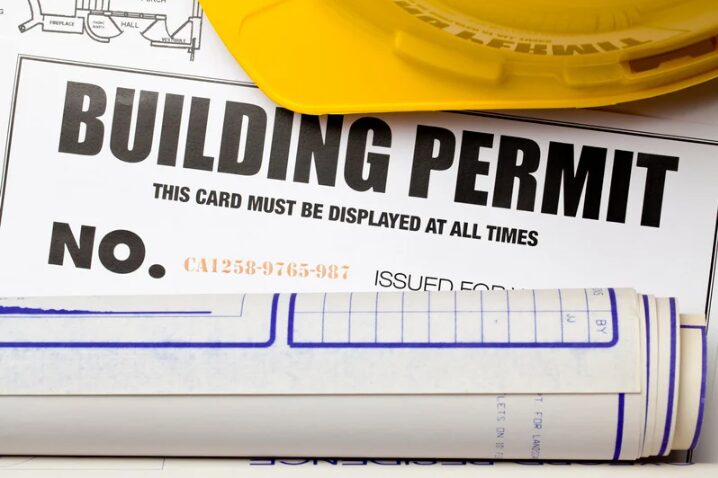
Navigating the local building codes and regulations is essential for any construction project. Ensure your sustainable design plans comply with all Suffolk County requirements and consider potential incentives or expedited permitting processes for green building projects. Research local zoning laws and environmental regulations that might affect your design.
Long-Term Cost Savings
While sustainable building may involve a higher initial investment, the long-term cost savings can be significant. Reduced energy and water consumption translate to lower utility bills, and durable, high-quality materials require less maintenance and replacement over time.
How to Maintain a Sustainable Home
Maintaining a sustainable home is crucial to realising its full benefits. Regular inspections of insulation, HVAC systems, and water fixtures can help identify and address potential issues before they escalate. Additionally, adopt sustainable lifestyle practices, such as reducing waste, conserving water, and using energy-efficient appliances.
Remodeling and Retrofitting for Sustainability
Existing homes can be retrofitted to incorporate sustainable design elements. Consider upgrading insulation, replacing old windows and doors, installing a tankless water heater, and adding solar panels. These improvements can significantly enhance energy efficiency and reduce your home’s environmental impact.
The ROI on Sustainability
One consideration is the return on investment. Sustainable buildings retain and, in many cases, appreciate in value more than a typical building. This is due to lower operating costs and an increased demand for eco-friendly properties.
What are the incentives for sustainable building in Suffolk County?
Suffolk County offers various incentives for sustainable building, including tax credits, rebates, and grants. New York State also provides incentives for energy-efficient upgrades and renewable energy installations. Check the websites of Suffolk County government and the New York State Energy Research and Development Authority (NYSERDA) for the latest programmes. You can also check with PSEG LI for rebates for homes.
How much does sustainable building design cost in Suffolk County?
The cost of sustainable building design can vary depending on the project’s scope, the materials used, and the specific technologies implemented. While initial costs might be higher than conventional construction, the long-term savings on energy and water bills often offset the initial investment. It’s best to obtain quotes from multiple contractors specializing in sustainable building to get an accurate estimate for your project.
Where can I find sustainable building contractors in Suffolk County, NY?
Finding qualified contractors experienced in sustainable building design in Suffolk County is crucial. Look for contractors with certifications like LEED (Leadership in Energy and Environmental Design) or those who are members of professional organisations like the U.S. Green Building Council (USGBC). Online directories, referrals from friends or colleagues, and local building associations can also help you find reputable contractors.
What are the benefits of sustainable building design for homeowners in Suffolk County?
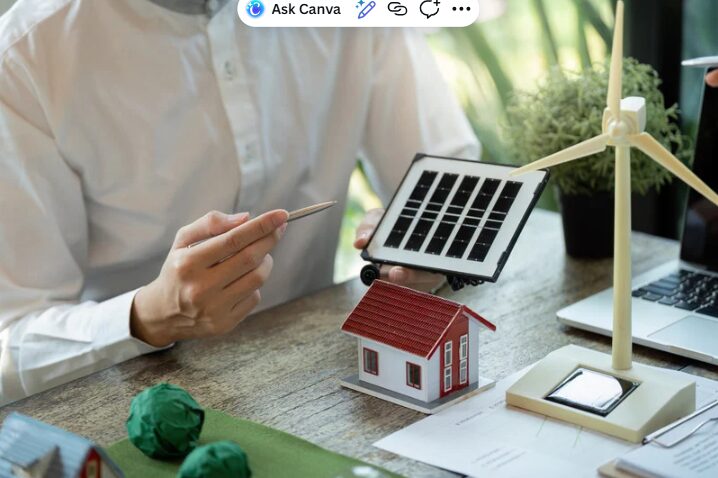
The benefits of sustainable building design for homeowners in Suffolk County are numerous:
Reduced Utility Bills: Energy-efficient design and appliances lead to lower energy consumption and reduced utility costs.
Improved Indoor Air Quality: Non-toxic materials and proper ventilation create a healthier and more comfortable living environment.
Increased Property Value: Sustainable homes are increasingly desirable and can command higher resale values.
Environmental Responsibility: Building sustainably reduces your environmental footprint and contributes to a greener future.
Durability and Longevity: Sustainable building practices often incorporate durable, high-quality materials that last longer and require less maintenance.
In conclusion, embracing sustainable building design in Suffolk County is a wise investment for homeowners, commercial real estate developers, and anyone looking to build a new home. By understanding the principles, exploring available incentives, and working with qualified professionals, you can create a healthier, more energy-efficient, and valuable property that benefits both you and the environment. Ready to start your sustainable building project? Contact us today for a consultation, and let us help you bring your green building dreams to life!