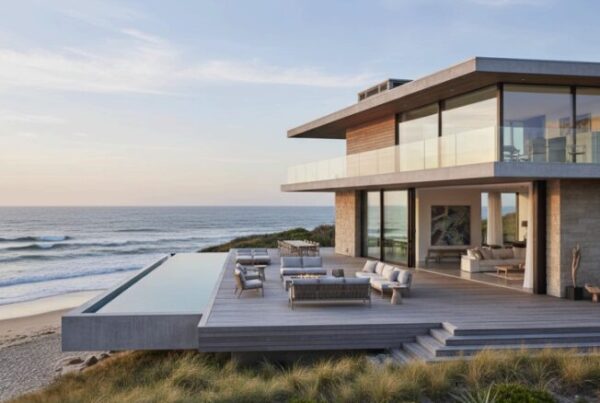
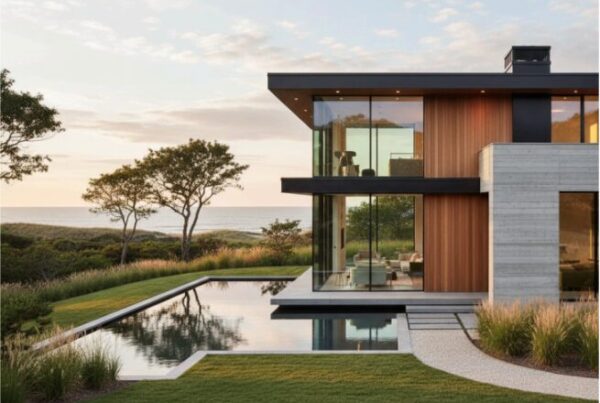
Are you a Long Island homeowner, real estate investor, or commercial developer looking to minimize your environmental impact while maximizing the value and longevity of your projects? Then you’ve come to the right place! In today’s world, choosing sustainable options is not just a trend; it’s a responsibility. This comprehensive guide explores the world of eco-friendly building materials on Long Island, helping you make informed decisions that benefit both your bottom line and the planet.
Long Island’s unique environment demands a mindful approach to construction. From coastal resilience to resource conservation, sustainable building materials offer a powerful solution. We’ll delve into the various options available, discuss their benefits, and guide you on where to source them locally. Get ready to discover how incorporating eco-friendly building materials on Long Island can transform your construction projects into models of sustainability and efficiency.
Embracing Sustainable Construction on Long Island
Choosing the right materials is crucial for creating eco-friendly buildings. Fortunately, there’s a growing availability of sustainable alternatives to traditional materials that cater to the specific needs of Long Island’s climate and building codes.
Key Eco-Friendly Building Material Options
Reclaimed Wood: Sourced from deconstructed buildings, reclaimed wood offers a beautiful and unique aesthetic while reducing the demand for new lumber. It adds character and reduces deforestation.
Bamboo: This rapidly renewable resource is incredibly strong and versatile, making it suitable for flooring, paneling, and even structural components. Its fast growth rate makes it a sustainable alternative to hardwoods.
Recycled Steel: Using recycled steel minimizes the environmental impact associated with mining and manufacturing new steel. It’s durable, fire-resistant, and contributes to a circular economy.
Insulated Concrete Forms (ICFs): These interlocking blocks create highly energy-efficient walls, reducing heating and cooling costs. They also offer excellent soundproofing and disaster resistance.
Plant-Based Insulation: Options like cellulose (made from recycled paper), sheep’s wool, and cotton insulation provide excellent thermal performance while being environmentally friendly and non-toxic.
Sustainable Concrete: Incorporating recycled aggregates and supplementary cementitious materials (SCMs) like fly ash reduces the carbon footprint of concrete production.
Factors to Consider When Choosing Materials
When selecting eco-friendly building materials on Long Island, consider the following:
Life Cycle Assessment: Evaluate the environmental impact of the material from its extraction to its disposal.
Durability and Longevity: Choose materials that will last, reducing the need for frequent replacements.
Energy Efficiency: Opt for materials with high insulation value to minimize energy consumption.
Local Sourcing: Prioritize locally sourced materials to reduce transportation costs and emissions.
Cost-Effectiveness: Compare the cost of eco-friendly materials with traditional options, considering long-term savings on energy and maintenance.
What are the most sustainable, eco-friendly building materials available on Long Island?
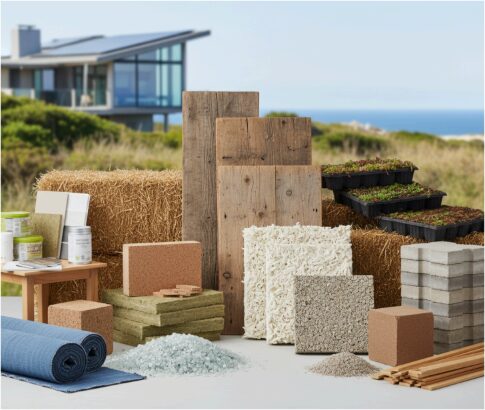 The most sustainable options include reclaimed wood (reduces deforestation), bamboo (rapidly renewable), recycled steel (less mining impact), plant-based insulation like cellulose (recycled paper) and sustainable concrete (recycled aggregates). These materials offer low environmental impact throughout their lifecycle.
Where can I find suppliers of eco-friendly building materials on Long Island, NY?
You can find suppliers by searching online directories like the USGBC member directory, local green building supply stores, and contacting Long Island builders known for sustainable practices for recommendations. Also, search for local lumberyards and concrete suppliers that offer recycled content options.
How much do eco-friendly building materials cost compared to traditional materials in Long Island?
The cost varies depending on the specific material. Some, like reclaimed wood, might be more expensive upfront due to labor and sourcing. However, recycled steel, depending on market fluctuations, can be competitive. Plant-based insulation can range from similar to slightly higher costs than fiberglass, but the long-term energy savings often offset the initial investment. It’s essential to compare quotes from multiple suppliers and consider the life cycle costs.
What are the benefits of using eco-friendly building materials for my project on Long Island?
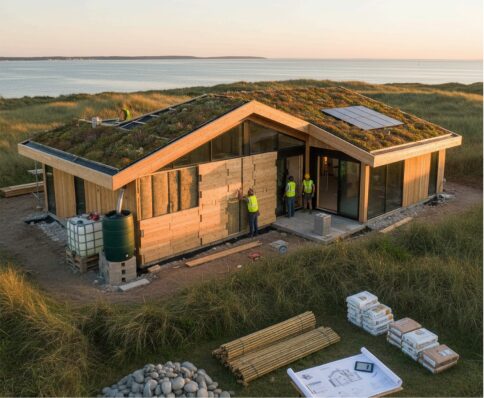
The benefits are numerous. They include reduced environmental impact, improved indoor air quality, increased energy efficiency (lower utility bills), enhanced durability (some materials like recycled steel and ICFs), potential for LEED certification points (for commercial projects), and a higher resale value appealing to environmentally conscious buyers. Also, using locally sourced materials boosts the local economy.
Build a Sustainable Future on Long Island
By embracing eco-friendly building materials on Long Island, you contribute to a healthier environment, a more sustainable economy, and a better future for generations to come, you’re also creating a more comfortable, energy-efficient, and valuable property.
Ready to start your sustainable building journey? Contact us today to discuss your ideas and explore your options. Let’s create a project that’s both beautiful and sustainable. Request a quote now and help us build a greener Long Island together.